Industry plant meaning is one of the most searched and controversial terms in modern music culture, and people want clear, trusted, and honest answers fast. If you have seen this phrase trending on TikTok, Twitter, or Reddit and wondered whether an artist’s success is organic or manufactured, explains everything in simple language.
The industry plant meaning refers to an artist who appears independent and self-made but is secretly backed by major labels, powerful executives, or hidden marketing deals from the very beginning.
Fans search this term to uncover the truth, spot authentic talent, and avoid being misled by fake narratives created for fame. Understanding this term helps you judge music careers more critically and recognize how the industry really works behind the scenes.
Why This Slang Matters
The term industry plant shapes how people judge artists and creators.
- It can damage credibility
- It questions authenticity
- It fuels online debates and fan wars
- It affects how audiences trust success stories
In a culture obsessed with “realness,” being labeled an industry plant can change public opinion overnight.
Why People Misunderstand It
Many assume industry plant means:
- Someone with rich parents
- Someone who got lucky
- Someone with talent and connections
That’s not always true. The term is often misused as an insult, even when it doesn’t apply. Understanding the real meaning helps separate facts from online noise.
What Does Industry Plant Mean?
Simple Definition
Industry plant means a person—usually a musician, influencer, or creator—who is secretly backed, funded, or strategically promoted by a major company or industry while being presented as “independent” or self-made.
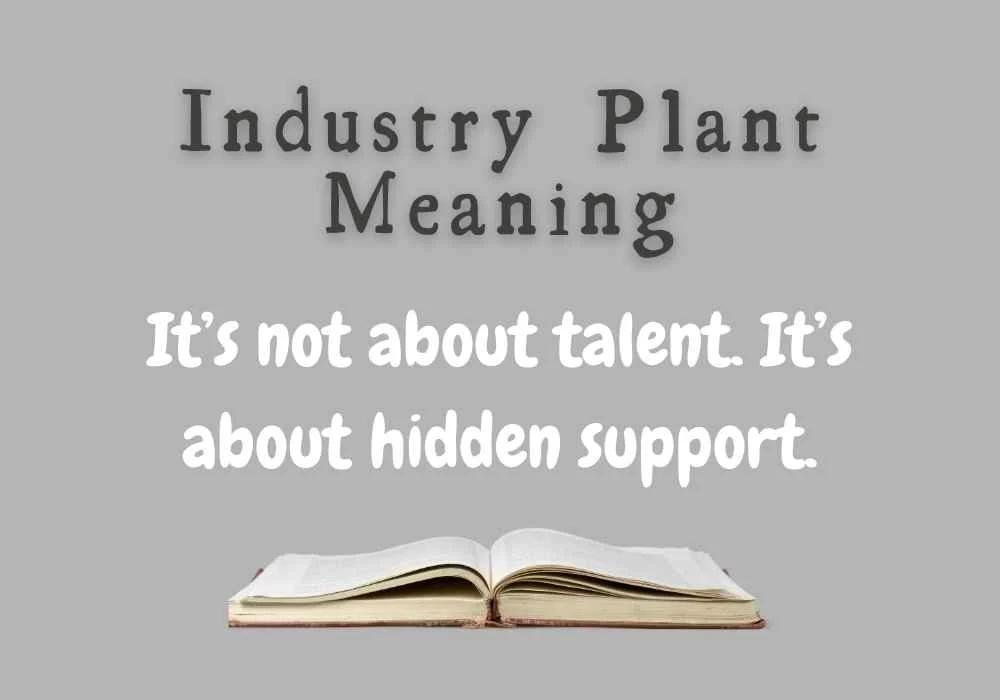
Bold truth: It’s not about talent. It’s about hidden support.
Origin and Evolution
The phrase started in music culture, especially hip-hop and indie scenes. Fans noticed some “unknown” artists receiving:
- Major playlist placements
- Big media coverage
- Industry-level production
- Powerful collaborations early on
Over time, the slang expanded to include:
- TikTok creators
- YouTubers
- Fashion influencers
- Even meme accounts
TL;DR
An industry plant looks independent but has strong behind-the-scenes backing that isn’t openly disclosed.
How to Use Industry Plant
When to Use It
Use the term when:
- Discussing marketing transparency
- Talking about manufactured popularity
- Analyzing sudden fame with hidden backing
When to Avoid It
Avoid using it when:
- Someone simply went viral naturally
- The person openly admits their connections
- You’re using it as a personal attack
Tone and Intent
The tone is usually:
- Critical
- Skeptical
- Accusatory
- Sometimes sarcastic
It’s rarely neutral and often carries negative judgment.
Contexts Where It’s Used
Texting
- “No way they’re independent. Feels like an industry plant.”
Social Media
- “Another overnight success? Smells like an industry plant.”
Discord
- “Check their label deals—this screams industry plant.”
Gaming Communities
- “This streamer didn’t grow naturally. Total industry plant vibes.”
Forums
- “The rollout was too perfect to be organic.”
Real Life Examples
Text Chat Example
Friend 1: “Have you heard this new artist? They blew up in one week.”
Friend 2: “Yeah… looks like an industry plant to me.”
Social Caption Example
“Not hating, but the PR rollout is wild 👀 industry plant or genius marketing?”
Funny / Relatable Scenario
Someone posts:
“I recorded this song in my bedroom 😌”
Comments:
“Bedroom with a million-dollar studio and label execs outside?”
Correct vs Incorrect Usage
Correct:
“They claim to be independent, but their launch was backed by major labels.”
Incorrect:
“They’re popular, so they must be an industry plant.”
Popularity alone doesn’t equal industry backing.
Common Mistakes and Misunderstandings
- Thinking success = industry plant
- Ignoring transparent label deals
- Using it to insult talented creators
- Confusing privilege with deception
Not every well-connected artist is hiding support.
Related Slang and Variations
Similar Terms
- Manufactured artist
- Label-made
- Astroturfed
- PR-built
- Corporate-backed
Platform-Specific Usage
TikTok: Often used sarcastically in comments
X: Used in debates and call-out threads
Reddit: Detailed breakdowns and “evidence” posts
YouTube: Long-form exposé videos
Freshness (2026 Trends)
In 2026, the conversation is evolving.
- AI-powered marketing makes growth harder to judge
- Paid virality looks organic
- Creator incubators blur independence
- Audiences demand transparency more than ever
The term industry plant is now less about accusation and more about questioning systems behind fame.
FAQs (People Also Ask)
1. Is being an industry plant bad?
Not necessarily. It’s the lack of honesty that bothers people.
2. Are industry plants real?
Yes, but the term is often overused.
3. Can an industry plant be talented?
Absolutely. Talent and backing can coexist.
4. Is every viral artist an industry plant?
No. Virality can be organic.
5. Why do fans hate industry plants?
Fans value authenticity and transparency.
6. Do labels create industry plants on purpose?
Some companies strategically launch artists this way.
7. Is the term only used for musicians?
No, it now applies to influencers and creators too.
8. How can you tell if someone is an industry plant?
Look for hidden backing, not just fast success.
9. Is it okay to call someone an industry plant?
Only when discussing marketing practices—not as harassment.
10. Will this slang fade away?
Unlikely. As long as fame feels engineered, the term will stick.
Conclusion
The industry plant meaning isn’t about jealousy or gatekeeping—it’s about transparency in modern fame. In an era where popularity can be engineered, people want honesty more than ever.
Understanding this slang helps you:
- Read online culture better
- Avoid misinformation
- Join conversations without misusing the term
Comment your favorite slang!

Joe Root is a passionate relationship writer at wedinglove.com, where he turns real emotions into heartfelt words. With a deep love for weddings, anniversaries, and lifelong bonds, he creates content that helps couples celebrate love in its purest form. His writing is inspired by real stories, genuine connections, and the beauty of lasting relationships.