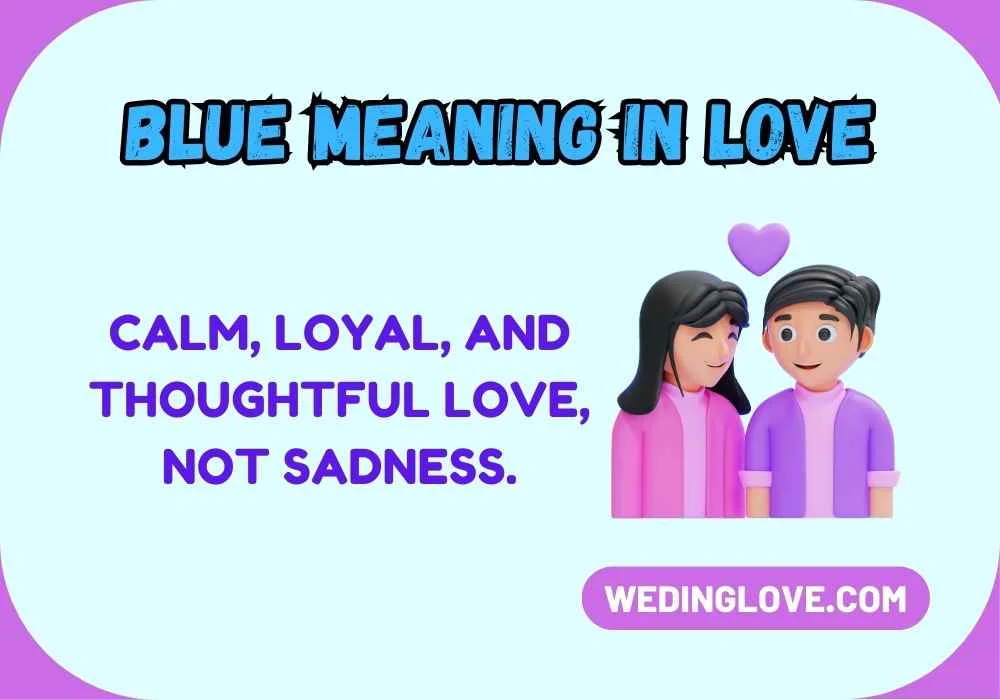
Blue meaning in love is more than just a color—it’s a window into emotional depth, trust, and heartfelt connection.
Across cultures and relationships, blue symbolizes loyalty, calmness, and profound emotional bonds, reflecting how two hearts resonate in harmony.
People often associate blue with peaceful intimacy, stable partnerships, and honest communication, making it a powerful indicator of love’s sincerity.
Understanding the psychology of blue in romance can help you interpret gestures, gifts, or even personal preferences that convey affection. From serene trust to passionate devotion
Why the Slang Matters
Colors aren’t just visual—they communicate emotions. Using blue to symbolize love may seem counterintuitive, but online communities adopt these trends to express feelings subtly.
- Makes messages feel playful and expressive
- Helps users signal emotional states without words
- Adds a layer of fun and identity in digital spaces
Knowing this slang can prevent misinterpretations and make your texts more relatable and up-to-date.
Why People Misunderstand It
Many confuse blue with sadness or coldness, assuming “blue in love” implies heartbreak. In fact:
- It can indicate calm, steady affection
- Often used to show loyalty, trust, or serene connection
- Misunderstanding arises from traditional color-emotion associations
What Does “Blue Meaning in Love” Mean?
Simple Definition
“Blue meaning in love” refers to using the color blue as a symbol for deep, calm, and trustworthy affection, rather than fiery passion or heartbreak. It’s a subtle, modern way of showing love online.
Origin + Evolution
- Early 2010s: Emojis and color codes in texting
- 2015–2020: Blue hearts 💙 and messages started trending on Instagram and Snapchat
- 2021–2025: Adopted in memes, gaming chats, and Discord communities
- 2026: Now recognized as a mainstream color-slang trend representing steady love
Short TL;DR
Blue = calm, loyal, and thoughtful love, not sadness.
How to Use “Blue Meaning in Love”
When to Use / Avoid
Use it when:
- You want to show affection calmly or respectfully
- Sending romantic or friendly messages online
- Engaging in social media posts or captions
Avoid when:
- Expressing passionate or fiery emotions
- Conversations where traditional red heart symbolism is expected
Tone & Intent
- Friendly, loyal, calm, affectionate
- Can be playful or slightly romantic depending on context
Contexts: Texting, Social Media, Discord, Gaming, Forums
- Texting: “💙 thinking of you”
- Discord: Using blue hearts in roleplay or casual chats
- Gaming: Emotes to show team love or appreciation
- Forums: Commenting supportively or showing calm affection
Real Life Examples
Text Chats
- “Good morning! 💙” – Friendly, affectionate
- “Still there? 💙” – Calm, caring inquiry
Social Captions
- “Spending Sunday with my blue 💙 vibes only”
- “True love isn’t loud, it’s 💙”
Funny / Relatable Scenarios
- Misusing red hearts in casual friend chats = awkward
- Sending 💙 after an argument = showing calm reconciliation
Correct vs Incorrect Usage
Correct: 💙 for steady love, loyalty, friendship
Incorrect: 💙 when you mean fiery passion or heartbreak
Common Mistakes & Misunderstandings
- Assuming blue = sadness in every love context
- Overusing 💙 in romantic-heavy messages (may seem detached)
- Confusing platform-specific emojis (TikTok vs Discord)
Related Slang & Variations
Similar Terms
- Red heart ❤️ = passion, traditional love
- Purple 💜 = compassion, luxury, friendship-love
- Pink 💖 = playful, romantic, affectionate
Platform-Specific Usage
- TikTok: Short-form clips, captions, trending memes
- X (formerly Twitter): Quick emotional cues in threads
- Discord/Gaming: Reactions, emotes, loyalty signals
Freshness (2026 Trends)
Current Platforms
- TikTok: Viral challenges using 💙 in romantic videos
- X: Trending posts interpreting colors as emotions
- Instagram / Threads: Stories, reels, captions using blue hearts
- Memes & Chats: Creative variations: 💙💙 for “double love”
2026 emphasizes color-coded emotional literacy online. Blue in love now carries both trendiness and emotional intelligence.
FAQs
-
Is blue meaning in love only for romantic relationships?
No, it represents calm affection, friendship, and loyalty too. -
Can I use blue hearts instead of red?
Yes, but only for steady, chill, or friendly love vibes. -
Does everyone understand this slang?
Mostly Gen Z and younger millennials; some may misinterpret traditionally. -
What’s the difference between 💙 and ❤️?
💙 = calm, loyal; ❤️ = passionate, fiery. -
Can blue show heartbreak?
Rarely—context matters. Usually, sadness is a different emoji combination. -
Is this used in dating apps?
Increasingly, yes, for casual affection signals. -
Can it be ironic?
Absolutely, in memes or sarcastic comments. -
What color comes after blue in trend charts?
Lavender 💜 and teal 💚 are rising as subtle emotional cues. -
Is blue universal across cultures?
Mostly in online communities; offline meaning varies. -
How to combine blue with other emojis?
Pair with calm or playful emojis (✨🌊🤍) to emphasize mood.
Conclusion
Blue meaning in love is a modern, subtle, and calm way to show affection online.
Understanding it helps youconnect better, avoid misunderstandings, and stay trend-aware in 2026 chats, social media, and gaming platforms.
💬 Comment your favorite slang and share how you use 💙 in messages!

Smith is a passionate relationship writer at wedinglove.com, sharing heartfelt ideas, anniversary inspirations, and love-filled moments. With a deep belief in lifelong bonds, Smith helps couples celebrate every milestone with meaning, emotion, and timeless romance.