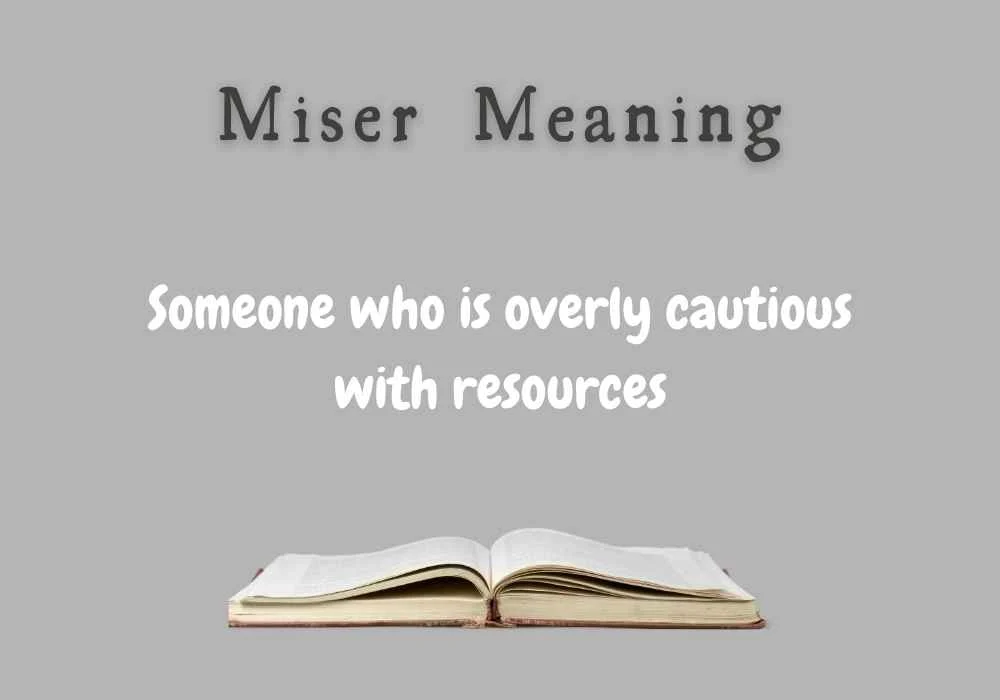
Miser meaning refers to a person who is extremely unwilling to spend money, even when they have more than enough.
A miser values wealth so intensely that saving becomes an obsession, often at the cost of comfort, generosity, or healthy relationships. In everyday language, the term is commonly used to describe someone who avoids sharing, hates unnecessary expenses, and prioritizes hoarding money over enjoying life.
Unlike being financially careful or budget-conscious, a miser is driven by fear of loss and excessive frugality, not smart money management. The word appears frequently in English vocabulary lessons, literature, and moral stories, highlighting the emotional and social consequences of extreme stinginess. Understanding miser meaning helps readers clearly distinguish between thriftiness and unhealthy greed, making the term especially useful for students, writers, and anyone aiming to improve their language skills.
Why the Slang Matters
Words shape how we communicate, and slang adds personality and humor. The term “miser” is no longer just about stinginess—it often carries playful teasing, sarcasm, or social commentary in digital spaces.
- Clarity in conversations: Knowing the slang meaning prevents misinterpretation.
- Cultural awareness: Being familiar with trends helps you engage in memes, streams, and viral jokes.
- Social bonding: Using the right slang at the right time creates rapport with peers online.
Why People Misunderstand It
Many users misread “miser” as purely negative, thinking it always implies greed or selfishness. However, in online communities, tone and context completely change its meaning.
- Playful exaggeration: Friends might jokingly call someone a miser for saving coins in a game.
- Generational gap: Older definitions from dictionaries don’t always match the 2026 digital slang version.
- Platform variance: “Miser” might feel teasing on Discord but harsh on LinkedIn, showing how context matters.
What Does “Miser” Mean?
Simple Definition
A miser in modern chat refers to someone who is overly cautious with resources, whether it’s money, time, or virtual items, often in a humorous or teasing context.
Origin + Evolution
- Traditional meaning: A person who hoards wealth and avoids spending.
- Early internet use: Around 2010–2015, it became shorthand in gaming and forums for players reluctant to share items or coins.
- Modern twist (2026): The term now applies more broadly—someone who holds back in any resource-based scenario, often in memes, texts, or social captions.
TL;DR
Miser = someone who is stingy or overly careful with resources, often used playfully online.
How to Use “Miser”
When to Use / Avoid
- Use it: In playful chats, memes, game communities, social media jokes.
- Avoid it: Professional emails, serious financial discussions, or when tone could be misread as insulting.
Tone & Intent
- Usually teasing, sarcastic, or humorous
- Can sometimes be complimentary if praising carefulness in games or budgeting
Contexts
- Texting: Friends might call you a “miser” for saving points in a quiz app.
- Social media: Used in captions or memes to describe someone saving money, snacks, or even Wi-Fi data.
- Discord/Gaming: Gamers jokingly label teammates who won’t spend in-game coins.
- Forums: Used in debates or discussions about spending habits, often humorously.
Real Life Examples
Text Chats
- Friend 1: “You didn’t even buy me coffee? 😂”
- Friend 2: “Haha, you know me, total miser 😎”
Social Captions
- “Me counting every coin before payday… #MiserMood”
Funny/Relatable Scenarios
- Saving every penny in a mobile game, refusing to spend gems.
- Hoarding snacks at a party while everyone else digs in.
Correct vs Incorrect Usage
- Correct: “He’s a total miser with his in-game gold.” ✅
- Incorrect: “He’s a miser because he didn’t reply to my text.” ❌ (context is wrong)
Common Mistakes & Misunderstandings
- Confusing the term with someone who is mean or rude.
- Using it in professional or serious financial contexts.
- Forgetting tone—online, humor changes meaning.
- Assuming only adults can be called misers; digital slang applies to all ages.
Related Slang & Variations
- Cheapskate – classic version, slightly harsher
- Tightwad – playful synonym
- Frugal AF – modern, humorous variant
- Platform-specific:
- Discord: “gold hoarder”
- TikTok memes: “coin saver”
Freshness Miser Meaning (2026 Trends)
- TikTok and X videos increasingly use “miser” in short, humorous clips.
- Gaming memes now show “miser” players refusing to spend in-game currency.
- Chat stickers and GIFs feature playful “miser” reactions.
- Even AI chatbots sometimes suggest “miser” as a label in context-aware messaging apps.
FAQs
1. Is “miser” always negative?
No, it’s often playful or teasing, depending on context.
2. Can I use it in professional settings?
Better to avoid it in formal or serious contexts.
3. What’s the difference between miser and cheapskate?
“Miser” is often playful; “cheapskate” is harsher.
4. Is “miser” common on social media?
Yes, especially in memes, TikTok videos, and Discord chats.
5. Can it describe time or effort, not money?
Yes! Someone who doesn’t spend effort or resources might jokingly be called a miser.
6. Is it limited to adults?
No, anyone in digital communities can be referred to as a miser.
7. How do I avoid misusing it?
Check tone, platform, and relationship with the person.
8. Is there an emoji commonly used with it?
🤑, 😎, or 💰 are popular in casual contexts.
9. Can it be used in gaming?
Absolutely—players love calling teammates misers when they hoard coins or items.
10. Any famous meme references?
Yes, TikTok and Discord often showcase “miser moments” in relatable meme formats.
Conclusion
The modern miser meaning goes beyond hoarding money—it’s about playful teasing, carefulness, and relatable behavior online.
Understanding this term will make your chats, memes, and social media posts more engaging.
Comment your favorite slang! Which term do you use the most with your friends?

Smith is a passionate relationship writer at wedinglove.com, sharing heartfelt ideas, anniversary inspirations, and love-filled moments. With a deep belief in lifelong bonds, Smith helps couples celebrate every milestone with meaning, emotion, and timeless romance.